


Research
How Dynamic Fees Capture Flow Across Market Conditions
Dynamic fees beat static tiers by adapting to volatility. It meaningfully competes across regimes without fragmenting liquidity.

This report outlines the steps Vending Machine followed to simulate, validate and parameterise the token design that we proposed for Everclear. For this process we built a digital twin, ran 48 million simulations across thousands of different market conditions, to reach proposed recommendations.
Our objective in this collaboration with Everclear DAO has been to design and parameterise a robust token system that creates an open market around chains and solvers, ultimately improving the cross-chain experience for users.
This report is specifically focused on Vending Machine's economic simulation process used to reach Everclear's launch parameter recommendations. To learn more about the token design process and Vending Machine's final proposed token design, see here for a summary of the final parameterised design.
Everclear is a decentralised clearing layer designed to optimise liquidity and intent settlement across modular blockchains. It creates the infrastructure for global settlement by integrating with intent protocols, solver networks, and cross chain decentralised applications (dApps). Everclear enables efficient transaction processing, reduces costs by netting bidirectional flows, and simplifies interchain rebalancing. Its permissionless structure allows developers to deploy custom settlement strategies, earning fees through solver networks. This platform will be crucial for overcoming blockchain fragmentation and powering seamless liquidity across multiple chains.
At Vending Machine, we are applying our expertise in token system design and simulations to develop and parameterise the core architecture of the Everclear token system. Given that blockchain fragmentation presents significant challenges to liquidity and transaction efficiency, our focus on a token system that kickstarts and supports Everclear's product through an incentive flywheel is key to maintaining their product's solution.
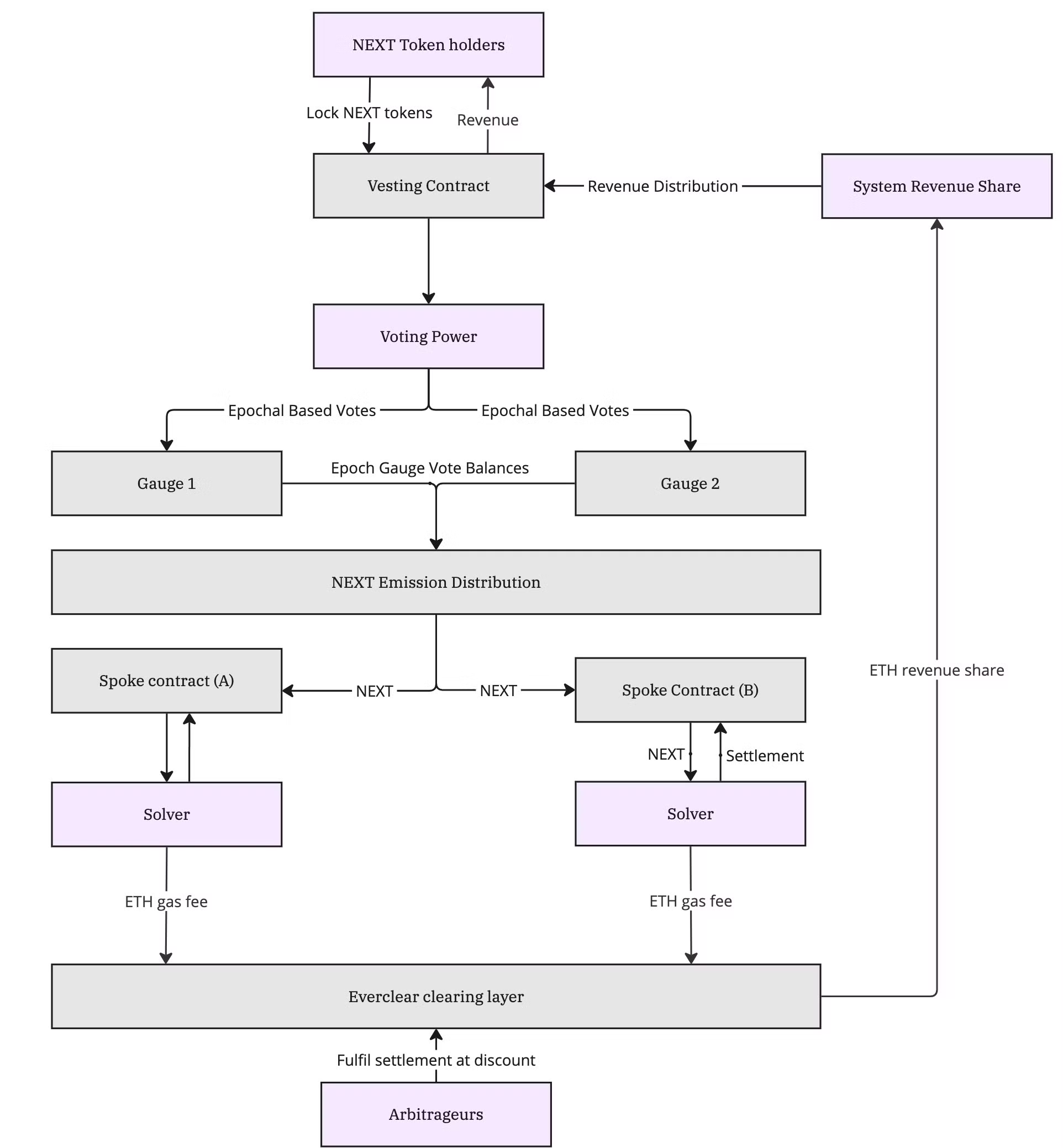
We proposed an innovative vote-bonding token system that integrates dynamic emission rates to spoke contracts and revenue-sharing for locked NEXT, incentivising both solvers and participants in the gauge voting system.
Upon finalising the design, we initiated the validation phase by employing complex systems simulations. These simulations replicated the system's performance under millions of hypothetical market conditions.
Rather than attempting to forecast exact future behaviour, our approach focused on using advanced modelling techniques to assess the distribution of key metrics across a range of potential scenarios, thus providing a more comprehensive understanding of system performance.
The model we constructed - serving as a digital twin of the Everclear system - achieves a balance between complexity and necessary abstraction.
At each epoch, intent volumes are processed through Everclear's clearing layer, where a portion of these volumes is naturally netted due to opposing intent. Any residual volume is filled by arbitrageurs at a discount, with a portion of rebalancing costs paid by solvers redirected as revenue share to vbNEXT holders.
The NEXT emissions are then distributed proportionally to the total intent volume, allowing us to calculate the average solver reward in basis points (bps) per unit of intent volume. This bps-based metric provides a direct comparison between solver rewards and the costs they incur, forming the basis for the benchmarks used in our recommendations.
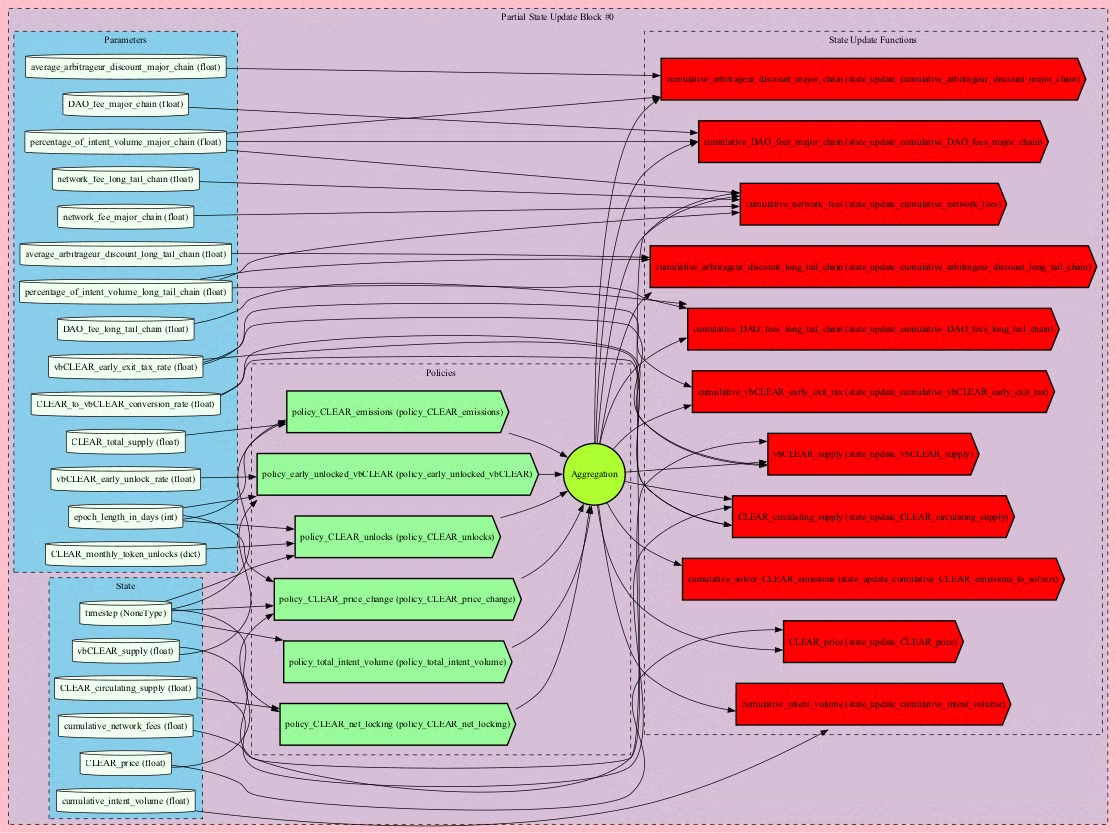
Below is a schematic of the relationships between parameters, policies, and model states at each time point.
To inform the model, we combined historical data and predictive analytics derived from comparable token designs. Statistical methods were employed to minimise noise, enhancing the model's accuracy:
Below is a graph showing the net locking rate from the historical sources and the mean value used:
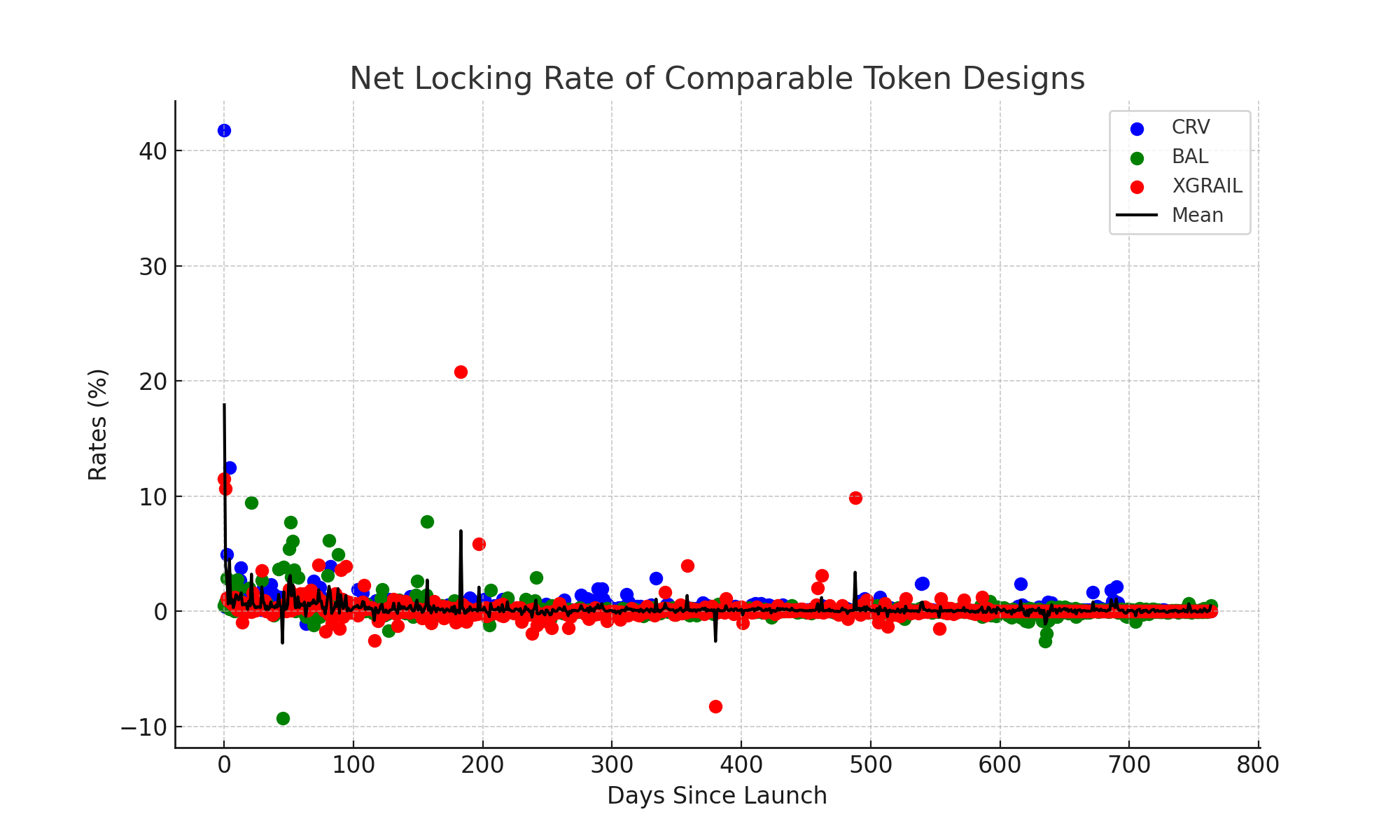
A study on average locking duration, expressed as a percentage of maximum lock duration, was performed using data from the aforementioned designs. This informed the setting of a representative lock duration for use in the model simulations.
Defining performance and sustainability metrics was critical to the validation process. We focused on:



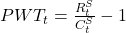
Benchmarks were established to assess whether the outcomes generated by the model were favourable. In Everclear's case, solvers would earn rewards both within and outside of the Everclear ecosystem, particularly through cross-chain intent fulfilment.
We delineated benchmarks into strict and weak definitions, with the former serving as an absolute requirement for all scenarios, while the latter being satisfied under ideal conditions.
The strict benchmark was defined as the arbitrageur discount that solvers would need to pay for the remaining intent volume to be netted after organic netting on the platform. The weak benchmark, by contrast, was set as the total cost solvers would incur to fully net their intent volumes.
Strict Benchmark for Success:

Weak Benchmark for Success:

To evaluate the adequacy of the parameter sets, we compared the resulting simulation performance against these benchmarks. This approach ensured that solvers would not only benefit from cost savings through rebalancing on Everclear but also gain additional NEXT token rewards, potentially leading to net profitability under favourable conditions.
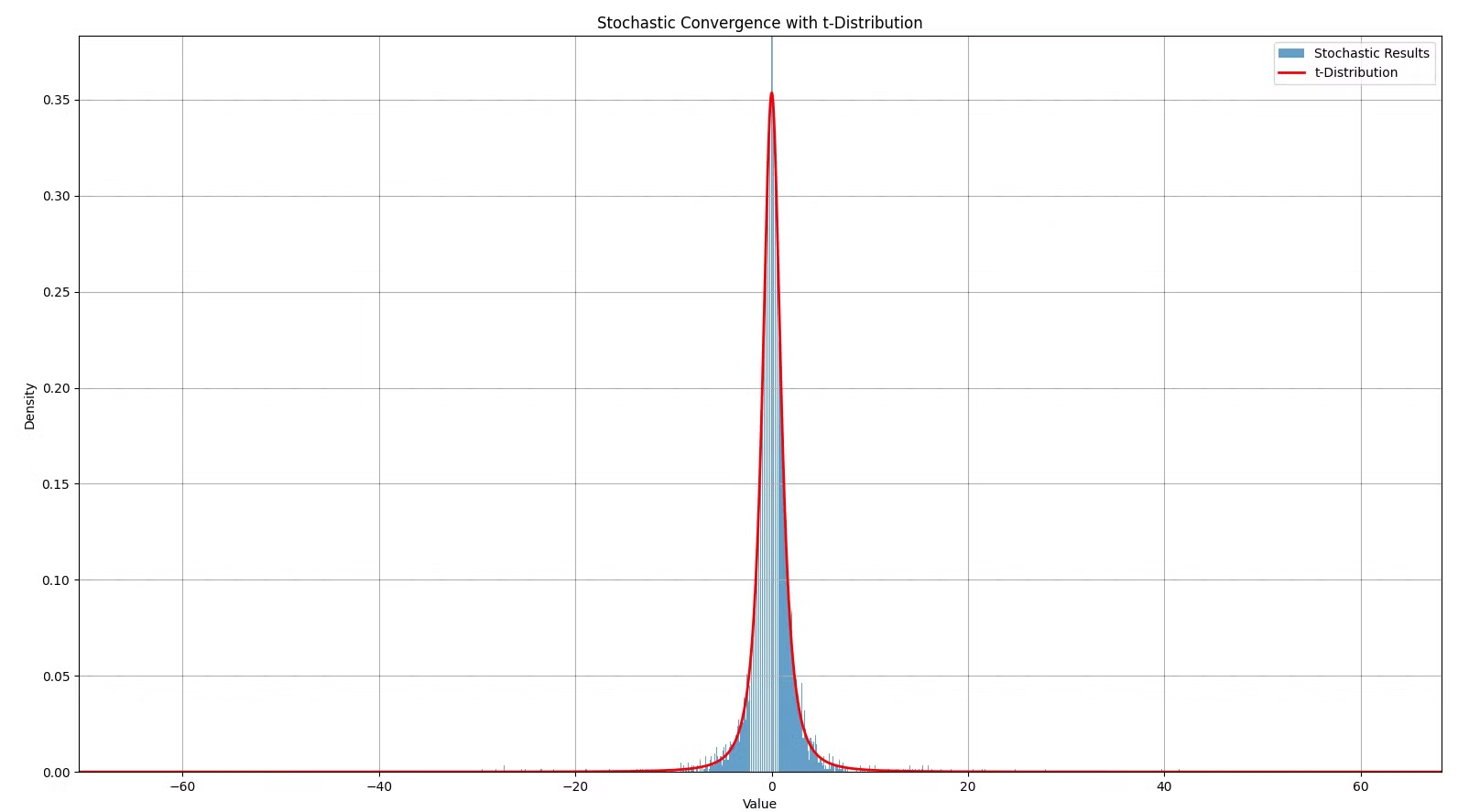
We conducted a preliminary study to establish the necessary sample size for simulations. Using a sample size of 10,000 for Student's t-distribution with eight degrees of freedom, we obtained satisfactory results for our Mean Squared Error.
2-year simulations were performed across 32 scenarios representing diverse market conditions. When key metrics failed to meet their benchmarks, we adjusted parameters, such as NEXT emission rates, and reran the simulations.
The NEXT price scenarios were developed by combining historical performance data from comparable tokens, such as Curve, and accounting for the typical high-volatility observed during the price discovery phase after a protocol's launch.
Each price scenario was paired with various intent volume scenarios, representing different levels of Everclear's adoption post-launch. This combination allowed us to assess the effectiveness of the economic incentives under diverse adoption and market conditions.
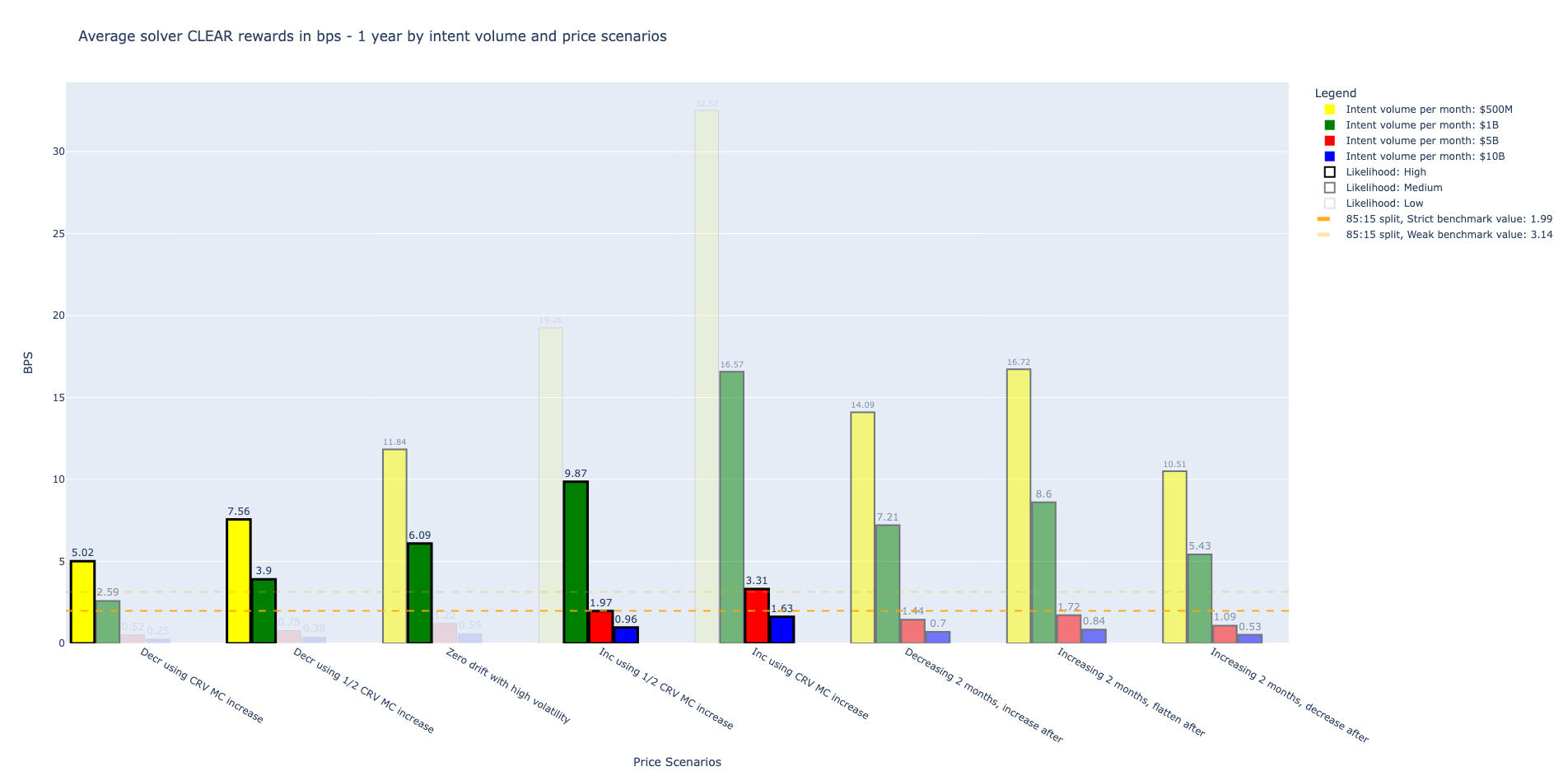
In total, over 48 million states were simulated, employing the Monte Carlo method to estimate key metrics under various scenarios.
Below is an example of the distribution of a metric (over 12 epochs / 6 months) from all the scenarios for a given parameter set:
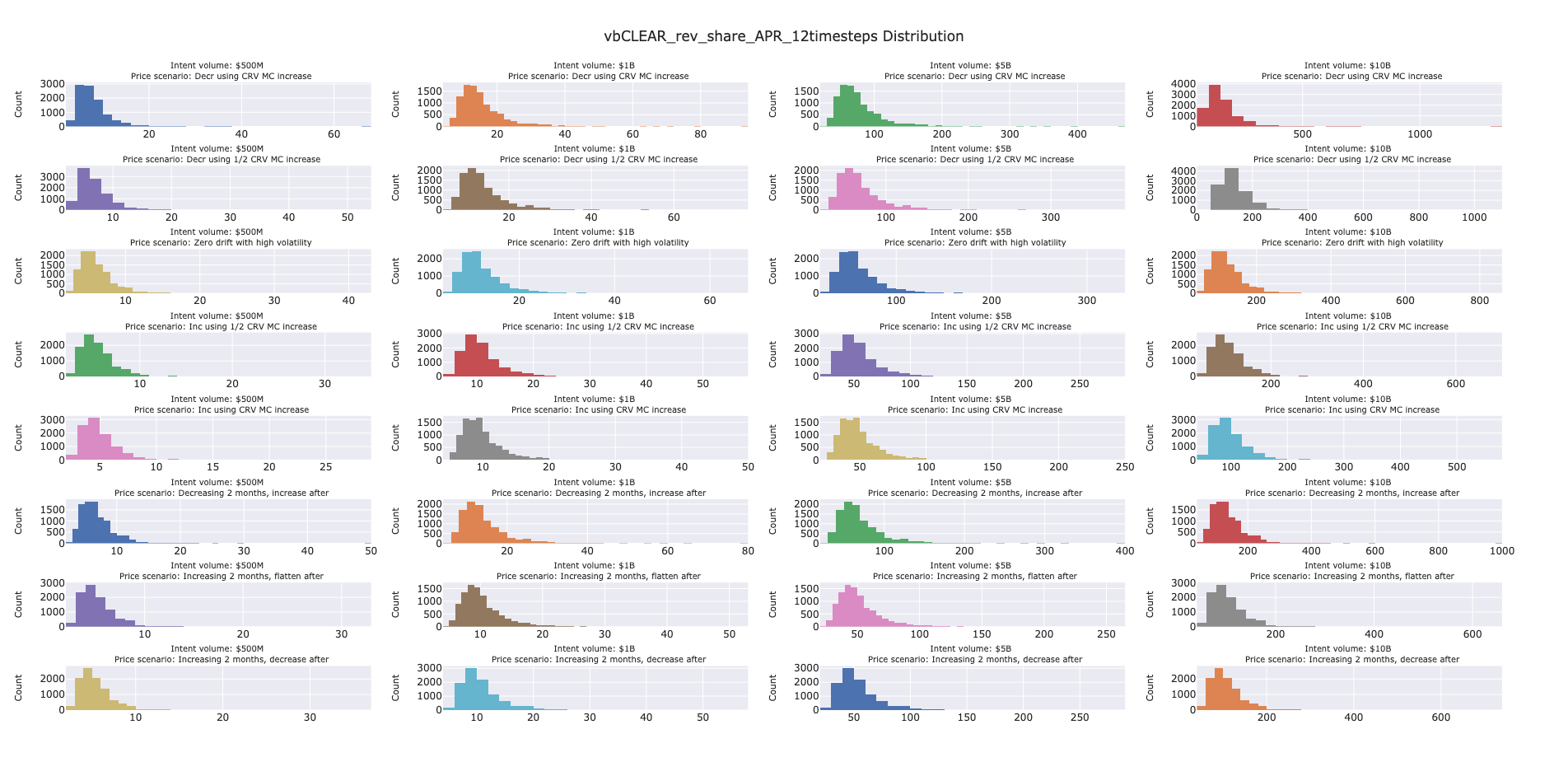
We conducted rigorous sensitivity analyses, altering variables such as the NEXT locking rate and intent volume share between major traffic and long-tail chains to observe their effects on key metrics.
We derived the total solver cost as a function of the percentage of intent volume processed on major-traffic versus long-tail chains. This analysis helped us understand the sensitivity of solver net costs to shifts in the composition of intent volume, highlighting how changes in network usage impact overall cost dynamics.
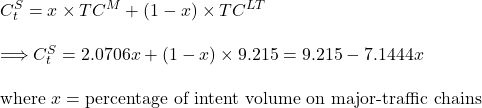
In addition, stress tests were carried out under extreme market conditions - such as steep price declines and reduced intent volumes - to ensure the resilience of the system. This comprehensive analysis demonstrated that the token system was resilient against a sustained period of extreme market conditions.
Incentives for early partners
Additional analyses were conducted to estimate the range of potential incentives that early partners on Everclear could earn, depending on the selected annual NEXT emission rate. These estimates provided insight into how various emission rates would influence partner rewards in the early stages of the protocol.
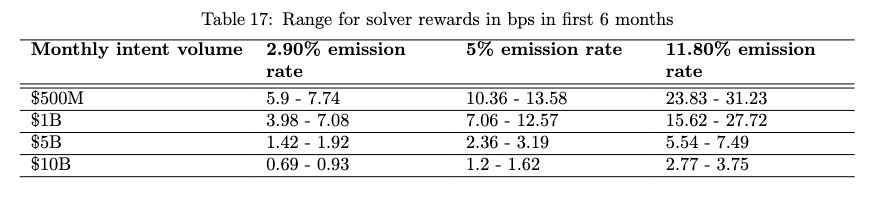
APR for vbNEXT from early exits
By averaging assumptions regarding early exits, a simplified method was developed to estimate the APR for remaining vbNEXT holders, based on the tax applied to early exits. This provided a practical approach to calculating ongoing returns for long-term holders.
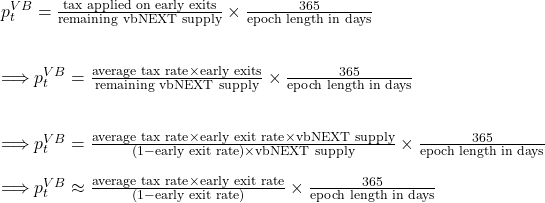
The comments in this document are made in relation to the currently proposed system design by the core team. Therefore the information provided is only relevant given the current circumstances of the protocol and may become outdated.
This documentation does not constitute an offer to sell or a solicitation of an offer to buy any securities or tokens. Any such offer or solicitation will be made only by means of a formal agreement and in jurisdictions where permitted by law.
Vending Machine is a token design consultant firm and are not qualified to give any advice as to the nature and regulatory status of various tokens. We make no representation, direct or indirect, that any tokens could be classified as a security or other form of regulated product. You should seek specialist legal advice in this regard.

Dynamic fees beat static tiers by adapting to volatility. It meaningfully competes across regimes without fragmenting liquidity.
Announcing our partnership with BIO, a new financial layer for decentralised science.

Gauntlet's "Intro to AMM Incentives" provides an overview of the incentive mechanisms that AMMs adopt to attract liquidity and trading volume.

The introduction of EigenLayer and the resulting Actively Validated Services (AVS').

In this post, we aim to unpack what token design is and to demystify what token designers do.

Vending Machine is a boutique studio that designs tokens for pre-token projects.

A little about Vending Machine and its talented staff.
